OwnBusiness.us

OwnBusiness.us OwnBusiness.us OwnBusiness.us OwnBusiness.us
  • Home
  • Contact
  • About
  • Resources on E-Commerce
  • Seminars on E-Commerce
  • Consulting Services
  • Sign In

  • My Account
  • Signed in as:

  • filler@godaddy.com


  • My Account
  • Sign out

OwnBusiness.us

OwnBusiness.us OwnBusiness.us OwnBusiness.us

Signed in as:

filler@godaddy.com

  • Home
  • Contact
  • About
  • Resources on E-Commerce
  • Seminars on E-Commerce
  • Consulting Services

Account


  • My Account
  • Sign out


  • Sign In
  • My Account

what legal aspects to prioritize in building e-commerce?

Cover these legal aspects: liability, business ownership, and e-store’s terms and conditions.

To build a sustainable e-commerce business, you must first secure the legal framework that protects your operation:

  • Begin by identifying the critical ownership responsibilities of your venture, ensuring you understand exactly how your business is structured and registered.


  • Address the essential liability issues surrounding the products you offer, providing you with the knowledge to mitigate risks before they arise.


  • Outline the fundamental terms and conditions that serve as the rules of the road for your e-store, ensuring they are presented clearly and professionally on your website. By mastering these three pillars, you shift from simply selling online to operating a protected and credible brand. 

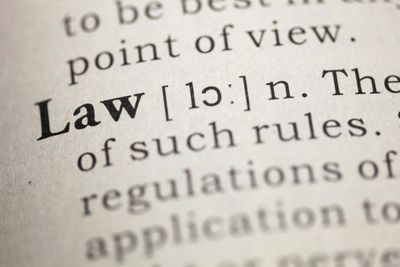
Close-up of the word 'Law' in a dictionary definition.

What about e-commerce business ownership responsibilities?

Consumer Protection | Data Privacy | Tax Regulations | Intellectual Property | Company Formation

Running an e-commerce business means you are legally accountable for a digital entity that engages in trade, which requires navigating a distinct landscape of consumer protection, data privacy, and tax regulations. While having a website technically grants you exclusive rights to the domain and the underlying code, owning the business entails safeguarding your intellectual property (IP), the creations-of-the-mind such as your brand name (trademarks), original photographs (copyrights), and unique product designs (patents) that provide you with a competitive advantage. To shield your personal assets from business-related risks, forming a company is crucial. You have several business structure options: a Sole Proprietorship is the simplest but lacks liability protection; an LLC (Limited Liability Company) is the most favored for e-commerce as it distinguishes your personal and business finances; and a Corporation can be better suited for those intending to seek a growing venture larger than a typical small business. Establishing these legal foundations is now more straightforward than ever, thanks to online legal service platforms, which provide digital templates and filing services at a fraction of the cost of a traditional law firm. If you will delegate a task to a freelancers, it is advisable to utilize a work-for-hire-agreement to ensure that any creative work they produce, such as logos or website content, legally belongs to your company rather than the creator.  

WHAT ABOUT Liability when running An E-COMMERCE BUSIness?

Liability Insurance | Accurate Product Labeling | Returns | Regulations | Licenses | Certifications

Running an e-commerce business entails a range of legal obligations that go well beyond just having an online store. E-commerce businesses can be held liable for injuries or damages resulting from defective products, and they may also face legal challenges related to data breaches, intellectual property violations, or deceptive advertising practices. To safeguard your assets, it is crucial to have product liability insurance, which covers legal defense expenses and settlements if a customer suffers harm from a product you sold, whether due to a manufacturing defect or a design flaw. A vital aspect of preventing these claims is ensuring the accuracy of your product content; this means that your online descriptions should accurately reflect the physical characteristics, safety warnings, and materials of the items. Inaccurate information can not only damage customer trust but also lead to breach of warranty claims and costly legal battles. Additionally, managing the sales process involves a strong emphasis on returns management, which is the organized approach to handling customer return requests, inspecting returned items, and processing refunds or restocking. This task is not just about customer service; it also serves to reduce liability, as having clear return policies helps set proper expectations for buyers. When your business involves food products, the stakes are even higher due to strict regulations enforced by agencies like the FDA. This requires obtaining specific licenses, conducting kitchen inspections, and ensuring accurate labeling of ingredients and allergens. To operate both safely and legally, it is essential to stay informed about product certifications, or organic and food-safety certifications. These certifications demonstrate that your products comply with industry safety standards, which is often necessary for selling on major platforms like Amazon.com or Walmart.com.

How to outline policies on e-store's terms and conditions?

Pricing & Payment | Shipping & Delivery | Returns & Refunds | Conduct & Responsibilities | Privacy

A Terms and Conditions page, also known as Terms of Service or Terms of Use, is a vital document that outlines the rules users must agree to in order to access an e-commerce platform. This document typically starts with an introduction that highlights the user's acceptance of these terms when they interact with the site, along with a short description of the company's mission and the purpose of these terms. It also specifies eligibility requirements, such as age and legal capacity, making it clear that by using the website, customers agree to the stated terms and conditions. This establishes a clear framework for users regarding their responsibilities before making purchases or using the services offered.  In general, terms and conditions improve customer transparency by clearly outlining important aspects like pricing, shipping options, payment methods, return policies, and warranty information. This clarity reduces confusion and possible misunderstandings, which can lead to customer service problems. When customers know the rules that apply to their purchases, they are more likely to have a good shopping experience, which helps build trust and loyalty to the brand. Furthermore, these policies are essential for protecting a business's intellectual property by clearly stating ownership rights for logos, images, and other creative materials, thus preventing unauthorized use and enhancing brand identity. A well-organized terms and conditions document can also include limits on liability, shielding the business from large financial claims. Now, let’s look at each type of terms and policies in detail, giving a brief summary of each:


  • The section on Pricing and Payment Terms is essential for an e-commerce website, as it provides detailed information about product pricing, relevant taxes, shipping costs, and accepted payment methods. Furthermore, this section will explain the terms related to payment processing and the management of transactions, promoting transparency in the financial interactions of customers.
  • The section titled Shipping and Delivery Policies aims to inform e-store visitors about the various shipping options, expected delivery timelines, and related expenses. It also serves to educate potential customers on any geographical limitations that might affect their orders. Additionally, the website will detail the steps taken to resolve issues like lost, delayed, or damaged shipments, providing buyers with a clear understanding of what to anticipate in case of any complications.
  • The Returns and Refunds section aims to provide visitors and customers with clear information regarding the applicable return policies. It outlines the specific time limits for returns, the criteria for acceptance, and the steps required to initiate a return. Additionally, this section details how refunds are handled, including any possible restocking fees, ensuring that buyers can make well-informed choices about their purchases.
  • Visitors to your business's website can expect a strong commitment to delivering accurate Product Descriptions and relevant information. This promise underscores your business's focus on transparency and ensuring customer satisfaction. However, it is crucial for site visitors to be aware that product availability and pricing may change without prior notification. Therefore, it is essential to keep potential customers informed about these details.
  • The materials present on your e-commerce website, such as text, images, logos, and other forms of intellectual property, are the exclusive property of the company. This ownership is vital for preserving the brand's integrity. Visitors to your store should be made aware that any unauthorized use or reproduction of content from the site is strictly forbidden, thereby upholding the company's Intellectual Property Rights.
  • Visitors to your online store are required to follow certain behavior guidelines while navigating the site, which will be clearly outlined under the section titled User Conduct and Responsibilities. Actions like hacking, spreading malware, or sharing inappropriate content are strictly prohibited. Furthermore, in some cases, users are responsible for maintaining the confidentiality of their account information, which is crucial for ensuring their security and privacy.
  • The section titled Limitations of Liability provides an overview of the constraints on liability for any damages that may occur from using the website. This encompasses concerns such as product defects, website outages, or connections to external sites. Being aware of these limitations can assist visitors in managing the potential risks linked to online shopping.
  • A Privacy Policy is a crucial element that should be prominently displayed and easily accessible to visitors of your e-commerce store. Ensuring the privacy of shoppers who visit and make purchases at your online store is essential, which is why it is important to provide a link to the privacy policy. This document outlines how user data is collected, used, and protected, offering transparency into the company's practices concerning personal information. By directing visitors to review this policy, you can help build their trust and confidence in using your website.
  • The section titled Dispute Resolution and Governing Law serves as an important notice. It clearly indicates that the business retains the authority to revoke access to the website for specific visitors if they breach the outlined terms. By informing visitors of these conditions, the business can promote adherence to the rules and prevent any potential interruptions in access to the site in the future.
  • The company reserves the right to modify its terms and conditions as needed. Details regarding this information can be found under the section titled Amendment to Terms. Users will be informed of any changes, encouraging them to stay aware of the regulations that govern their use of the website, as keeping up with these amendments is essential for continued compliance.
  • Customer support Contact Information should be readily available on the website, as it is essential for addressing any inquiries or issues related to the terms and conditions. This resource is vital for clarifying any doubts that current or prospective customers may have regarding their rights and obligations as users. Furthermore, having accessible contact information significantly contributes to the trustworthiness and transparency of your business. While an engaging and informative "about" section is important at your website, the presence of contact details is equally critical in instilling confidence in your customers.  

  • Contact
  • About
  • Resources on E-Commerce
  • Seminars on E-Commerce
  • Consulting Services

OwnBusiness.us

New York City

Copyright © 2026 OwnBusiness.us - All Rights Reserved.

Powered by

This website uses cookies.

We use cookies to analyze website traffic and optimize your website experience. By accepting our use of cookies, your data will be aggregated with all other user data.

Accept